


In recent years, insulated concrete forms (ICF’s) have gained popularity in the building industry as a sustainable and efficient building material.
Unfortunately, there are several misconceptions surrounding this innovative construction method. People have expressed concerns about durability, energy efficiency and the cost of ICF’s. These myths cloud the true potential of ICF blocks, making their strength, sustainability and long-term investment benefits unclear.
Whether you’re a developer, contractor or builder, understanding the real advantages of insulated concrete forms can be a game-changer in the world of building design.
Top 3 Most Common ICF Myths
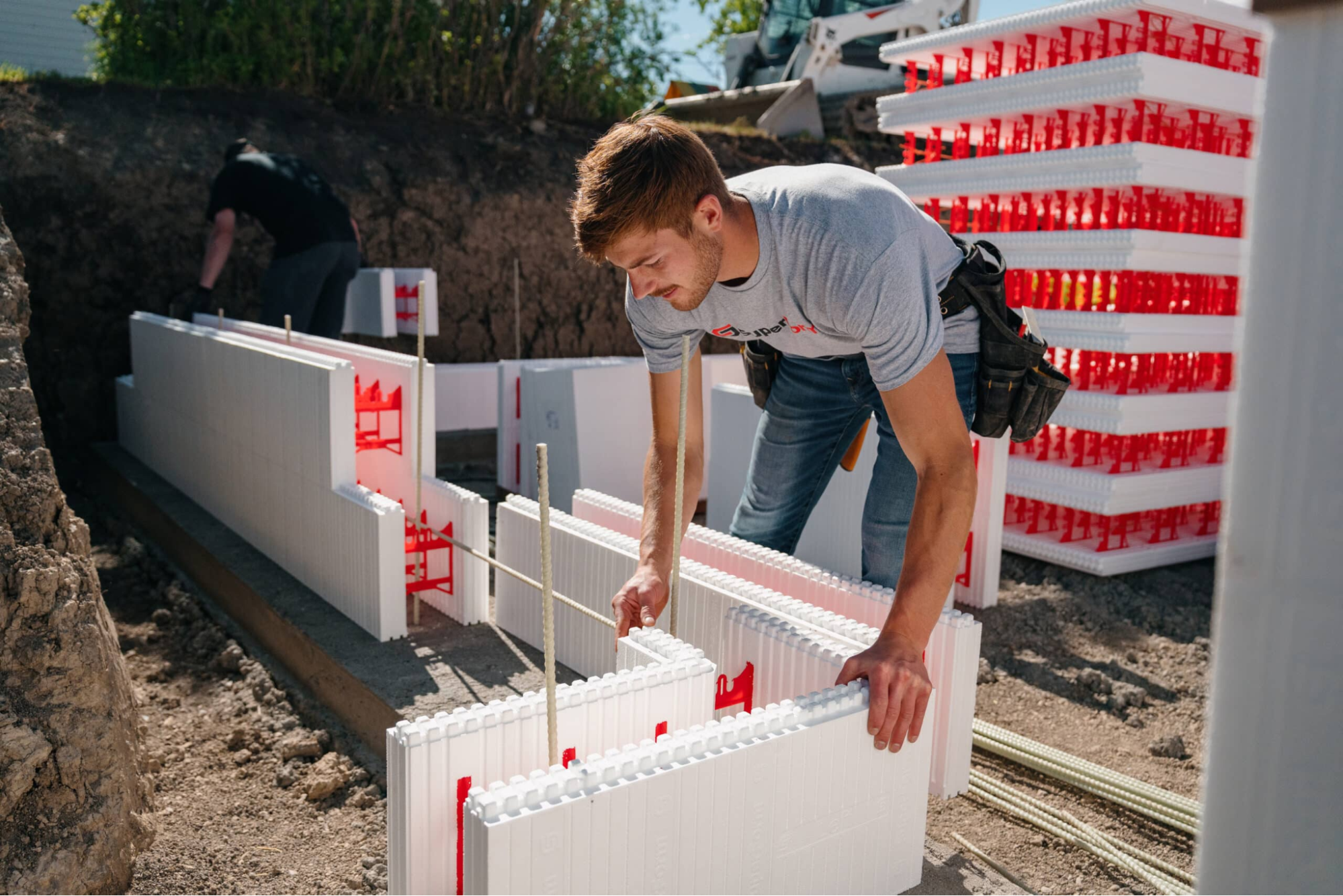
The three most common myths about ICF systems revolve around cost, durability and the installation process.
ICF Myth 1: ICF’s Are Too Expensive
One of the most common myths surrounding insulated concrete forms is their price point, with some assuming they’re too expensive to be practical. However, while ICF systems may have a higher initial cost compared to traditional building materials like wood, this myth overlooks the long-term financial benefits.
Initial Costs vs. Long-Term Savings
ICF’s may have a higher initial cost due to the specialized materials and the unique building process. On average, building a home with ICF blocks costs up to 5% more than a traditional wood-frame home. However, this initial investment should be weighed against the long-term savings ICF’s provide throughout the lifetime of the building.
When you build with ICF systems, you achieve exceptional energy efficiency, resulting in significant savings on heating and cooling costs. With their excellent insulating properties, they minimize energy loss, keeping indoor temperatures stable no matter the time of the year.
On average, utility costs for a wood-frame home run about $0.10 per square foot each month. In contrast, an ICF home’s monthly utility cost is only around $0.03 per square foot. These reduced utility costs accumulate over time, translating into significant long-term savings.
Using ICF blocks also allows you to incorporate smaller or fewer HVAC systems into the building, reducing your upfront installation and HVAC equipment costs. Plus, the durability of ICF’s also translates into fewer repairs and maintenance costs over time, reducing potential call-backs and customer frustration.
Comparison with Traditional Construction Costs
ICF construction is faster and more straightforward than conventional construction methods. Because the forms serve as insulation and structural support, fewer steps are required, resulting in a more streamlined building process.
ICF’s are also easier to build with than traditional forms, as they are simpler to place and handle. With reduced construction times, labor costs go down, and there is less need for multiple tradespeople to complete different stages of the build.
All of these factors drive down the cost of the job even further, allowing you to maintain a reputation for efficiency, quality, speed and cost-effectiveness.
ICF Myth 2: ICF’s Are Not Durable
Durability is a critical consideration when comparing building materials. There’s a perception that insulated concrete forms lack strength and longevity, but this myth couldn’t be further from the truth. ICF’s are highly durable, offering long-lasting performance and standing up to weather and pests.
Structural Strength and Longevity
ICF’s are specifically designed to be strong and capable of withstanding stress for long periods. Made of expanded polystyrene (EPS) foam forms and filled with reinforced concrete, they create a solid structure that resists compression and cracking far better than traditional wood framing. In fact, these walls are 30% stronger than conventional concrete walls.
Resistance to Weather and Pests
ICF homes are known for their ability to endure extreme weather conditions. They’re designed to withstand up to 250 mph winds, far surpassing the 120 mph wind resistance of wood-frame homes. This makes ICF homes ideal for disaster-resistant construction, especially in areas prone to severe weather like tornadoes or hurricanes.
The non-porous foam and solid concrete layer also resist water absorption and condensation. Materials like wood trap moisture and become breeding grounds for spores and pests, which can significantly decrease the strength of a build. Building with ICF gives professionals peace of mind that they are using a product with long-term structural integrity.
ICF Myth 3: ICF’s Are Difficult to Install
A prevalent misconception about ICF blocks is that they’re challenging to install. In reality, they’re designed to streamline the building process. With the right techniques and tools, they can be installed just as efficiently, if not more so, than traditional building methods.
Installation Complexity
It’s true that ICF construction differs from traditional framing, but that doesn’t mean it’s complicated. The process of stacking the foam forms, reinforcing them with steel or MST-Bar and pouring concrete is straightforward once you understand the system.
ICF blocks interlock easily, like Legos, making the process intuitive and quick. The blocks are light enough to handle manually, reducing the need for heavy machinery or specialized labor. Systems can also be adapted to different designs, whether it’s a single-story home or a commercial structure.
The forms also come in pre-molded shapes such as corners and tees, reducing the amount of customization needed on-site. This speeds up the process and minimizes waste, making it a more eco-friendly option.
There is a learning curve for those new to ICF’s, but most contractors can adapt quickly with the right training. ICF manufacturers provide detailed instructions and support to guide builders through the process.
Best Practices and Tools
Using the right tools and following best practices is key to achieving a successful build utilizing ICF blocks. Standard tools include saws, levels, hammers, chalk lines, concrete vibrators and ladders. Materials include adhesives, spray foam, rebar, waterproof membranes, bracing systems, fasteners, etc.
A successful ICF installation requires a correctly prepared job site, a strong and level foundation to work with, secure window and door openings, reliable reinforcement and the necessary personal protective equipment.
Addressing Other ICF Misconceptions
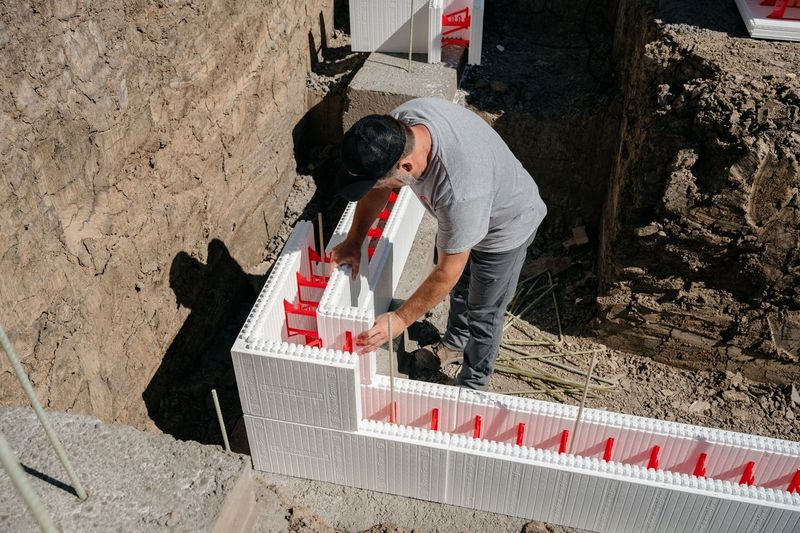
On top of the three common ICF myths, further misconceptions are floating around the industry regarding ICF systems, ranging from their energy efficiency to their design flexibility and environmental impact.
Misconception 1: They Aren’t Energy Efficient
The insulation R-value of ICF walls is actually much higher than that of traditional wood-framed walls. The combination of rigid foam insulation and reinforced concrete provides excellent thermal resistance.
Studies show that ICF’s provide nearly 60% higher R-values than a similar wood structure.
Let’s look at a real-world example. Over a 30-year period with costs calculated at a 2% inflation rate, a 2,500 square foot ICF home has utility costs totaling $31,995. Meanwhile, a wood-frame home’s utility costs come in at $106,650. While the initial cost of an ICF home would be more expensive, the utility cost difference is substantial.
The energy-efficient properties of ICF buildings can also help reduce reliance on fossil fuels for heating and cooling, leading to a smaller carbon footprint than homes built with conventional materials. They can even help you earn green building certifications.
Misconception 2: Aesthetic and Design Limitations
When it comes to design aesthetics, insulated concrete forms offer remarkable flexibility. ICF walls can be easily finished with almost any exterior finish, a wide variety of exterior materials like stucco, brick or wood siding. On the inside, you can opt for drywall, plaster or other finishes to create a space that suits any style.

The versatile nature of ICF systems allows for the design of innovative structures such as curved walls, intricate facades or unconventional layouts.
Misconception 3: The Materials Aren’t Sustainable
Not only is the EPS foam in ICF systems recyclable, but the durable concrete core offers long-lasting performance to reduce the need for frequent repairs or replacements. This makes ICF construction an eco-friendly choice throughout its lifespan.
When compared to traditional building materials like wood, ICF’s offer significant environmental advantages. Wood framing often involves deforestation, while ICF systems require fewer raw materials over time due to their durability. In fact, using ICF for builds can save up to 22 trees per project.
Additionally, ICF construction leads to less waste on the job site and in landfills. Professionals can feel confident knowing that they’re using an eco-friendly material and prioritizing responsible building practices.
Build Smarter With SuperForm

Looking for the best and most cost-effective solution for your next project? Whether you are working on a commercial or residential job, ICF blocks from SuperForm allow you to build higher-quality structures and stay ahead of the competition.
They’re durable, energy-efficient, affordable, disaster-resilient and versatile, allowing you to elevate your projects with ease. Explore our ICF solutions today to learn about our top-quality products and discover design inspiration that will bring your vision to life.
Ready to experience ICF for yourself? Find a dealer near you to get started.