


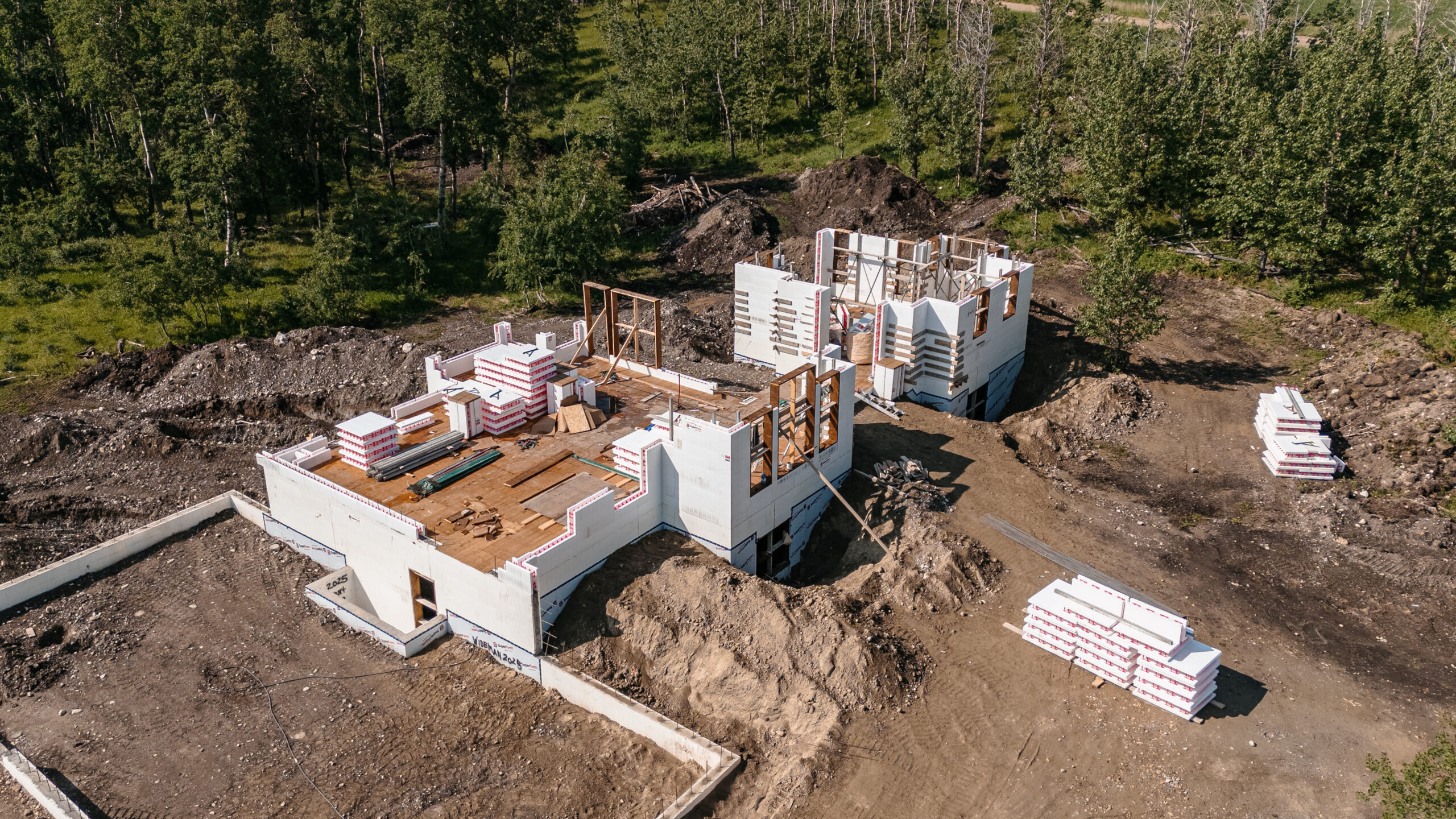
If you’re looking for a building material that delivers serious strength, resilience and energy efficiency, insulated concrete forms (ICF) are tough to beat. However, one big question always comes up — how long does it take to build a house with ICF?
The answer depends on several factors, but with a clear look at each stage of the process, you can map out a reliable timeline and stay on track. Whether you’re a builder, contractor or architect, understanding what goes into every phase helps you avoid surprises, set realistic expectations and keep the project moving.
What is ICF Construction?
ICFs are modular blocks made of insulating foam that fit together to form the structure for a reinforced concrete core.
Once the forms are stacked, steel reinforcement is placed and concrete is poured into the cavity. The forms stay in place, providing continuous insulation, an air barrier and a base layer for interior or exterior finishes.
Because concrete and insulation are integrated into a unified system, ICF construction consolidates several traditional steps — framing, insulation, structural walls and air and vapor barriers. It’s an incredibly streamlined process that brings greater speed and productivity, but total build time still depends on a few variables.
Key Factors Influencing Build Time
Build duration varies widely based on factors ranging from site conditions to inspection timing. Let’s take a closer look.
- Design Complexity and Size
-
-
- Sprawling floor plans, multi-story homes or unusual design shapes (such as curves or overhangs) can add time to the build.
-
- Site Conditions
-
-
- Topography, soil quality, access, excavation, drainage and utilities affect the start of the build.
-
- Climate and Weather
-
-
- Rain, snow or extreme temperatures can slow excavation work, concrete curing or finishing aspects.
-
- Permitting and Approvals
-
-
- Municipal reviews, engineering, inspections and any changes that require permitting can cause delays.
-
- Labor Availability and Skill
-
-
- Crews highly experienced in ICF move faster than workers unfamiliar with the construction method.
-
- Supply Chain Issues and Lead Times
-
-
- As with many construction materials, foam blocks, rebar and specialty components may require advance ordering to accommodate lead times.
-
- Inspection Cadence
-
-
- Concrete pours and structural frames require stage inspections and work can’t proceed until they’re complete.
-
- Finishing Scope and Trades
-
- Interior finishes, custom carpentry, mechanical systems and site landscaping can add months to the project timeline.
Builders typically estimate 12 to 18 months from groundbreaking to move-in for a custom ICF home. In areas with steady weather, such as Florida, build times can be significantly shorter. Because these estimates depend on many variables, it’s best to look at the timeline step by step.
Typical Build Timeline for an ICF House
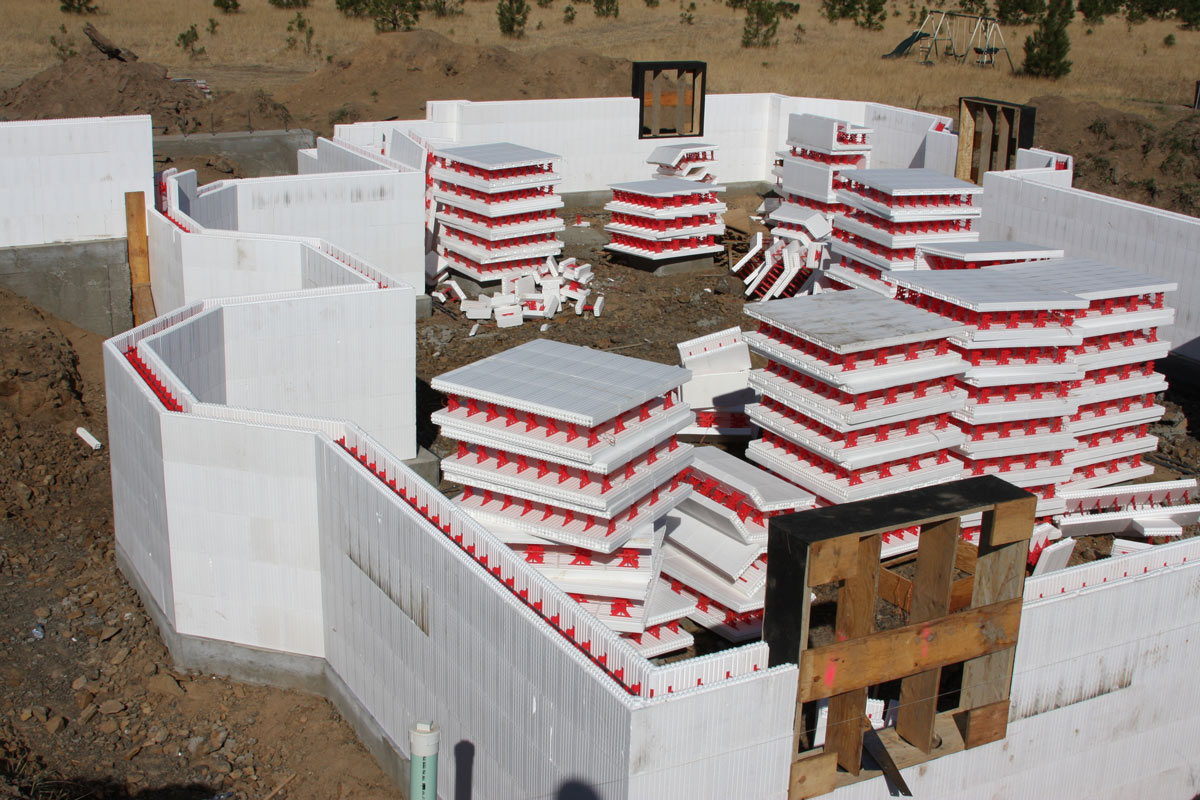
When mapping out your project, the schedule below offers a solid baseline that can be tailored to your specific site conditions.
Site Preparation and Foundation (4-8 weeks)
This phase of ICF construction includes:
- Site Clearing and Grading
-
-
- Removing trees and rocks, leveling the ground and establishing proper drainage around the property.
-
- Utility Stub-Ins
-
-
- Bringing water, sewer/septic, electrical, gas and storm systems to the job site.
-
- Footings and Excavation
-
-
- Digging footings or slab-level foundation according to engineered plans.
-
- Placement of Structural Reinforcements
-
-
- Placing tie bars, rebar, mesh and embed plates.
-
- Pouring the Concrete Footings or Slab
-
-
- Distributing concrete evenly to form a stable and durable foundation.
-
- Curing and Inspection
-
-
- Allowing the concrete to fully cure before building on top of it.
-
- Waterproofing and Drainage
-
- Applying membranes, installing footing drains and backfilling as needed.
Some ICF systems recommend rapid cure times and allow earlier stacking of forms than traditional building, so check with your ICF manufacturer of choice.
Some manufacturers also provide time-saving tips based on their specific solutions. For example, SuperForm recommends spending an extra 30 minutes leveling your footing — while this may make that step longer, it will save you more time when you start stacking the blocks.
ICF Wall Installation (1-6 weeks)
This phase of ICF construction includes:
- Stacking the ICF forms
-
-
- Assembling the foam blocks, layer by layer, ensuring they are aligned and level.
-
- Installing Reinforcement and Bracing
-
-
- Placing rebar vertically and horizontally and bracing to resist concrete pressure.
-
- Embedding Sleeves/Blockouts
-
-
- Prepping plumbing, conduit or mechanical penetrations.
-
- Concrete Pour
-
-
- Pouring concrete in 4- to 5-foot lifts to keep balanced pressure and adequate consolidation.
-
- Curing and Checking Tolerances
-
-
- Waiting for the concrete to reach the required strength.
-
- Face Finishing
-
-
- Preparing surfaces for stucco, siding or interior finishes.
-
- Repeat Lifts for Additional Stories
-
- If the home is multi-level, this step is repeated until the wall tops are reached.
Using ICF can reduce overall construction time by 2 to 4 months compared to conventional methods.
Plumbing, Electrical and Inspections (2-6 weeks)
Once the structure is “dried in” (weather-tight), mechanical trades can start working on their phase.
This phase includes:
- Mechanical, Electrical and Plumbing (MEP) Installation
-
-
- Running plumbing, HVAC ductwork and wiring.
-
- ICF System Alignment
-
-
- Coordinating with interior wall openings, sleeves and conduits already embedded in ICF.
-
- System Inspections
-
-
- Inspecting plumbing, electrical and mechanical systems is required before drywall or interior finishes can proceed.
-
- Structural Inspections
-
- Depending on your jurisdiction, structural inspections may be required.
Because ICF allows for early closure of the building envelope, tradesmen can enter earlier than in traditional builds. This helps considerably to condense the construction schedule.
However, delays can sometimes still arise from labor scheduling conflicts or inspection backlogs. Try to coordinate schedules in advance, confirm inspection availability early and maintain clear communication with contractors and local authorities to avoid setbacks.
Exterior and Interior Finishing Work (8-20+ weeks)
This phase is often the longest and most variable phase. It includes:
- Roof, Windows and Doors
-
-
- Installing roofing, windows and doors to close the building shell.
-
- Exterior Finishes
-
-
- Applying stucco, siding, masonry, trim and waterproofing.
-
- Interior Finishes
-
-
- Completing drywall, flooring, millwork, cabinetry and painting.
-
- Mechanical System Finalization
-
-
- Connecting HVAC, plumbing fixtures and electrical trim.
-
- Inspections and Commissioning
-
-
- Conducting final building, mechanical, fire and energy code compliance checks.
-
- Finishing Touches
-
- Executing landscaping, driveways, decks and final site work.
Custom homes with high-end finishes, complexities in cabinetry, tile, stone or millwork can stretch out this process.
To help manage timelines, it’s recommended to finalize design selections as early as possible, coordinate with specialized trades in advance and build in buffer time for intricate work.
How Long Does It Take to Build a House: ICF Vs. Traditional Methods
Speed Advantages of ICF
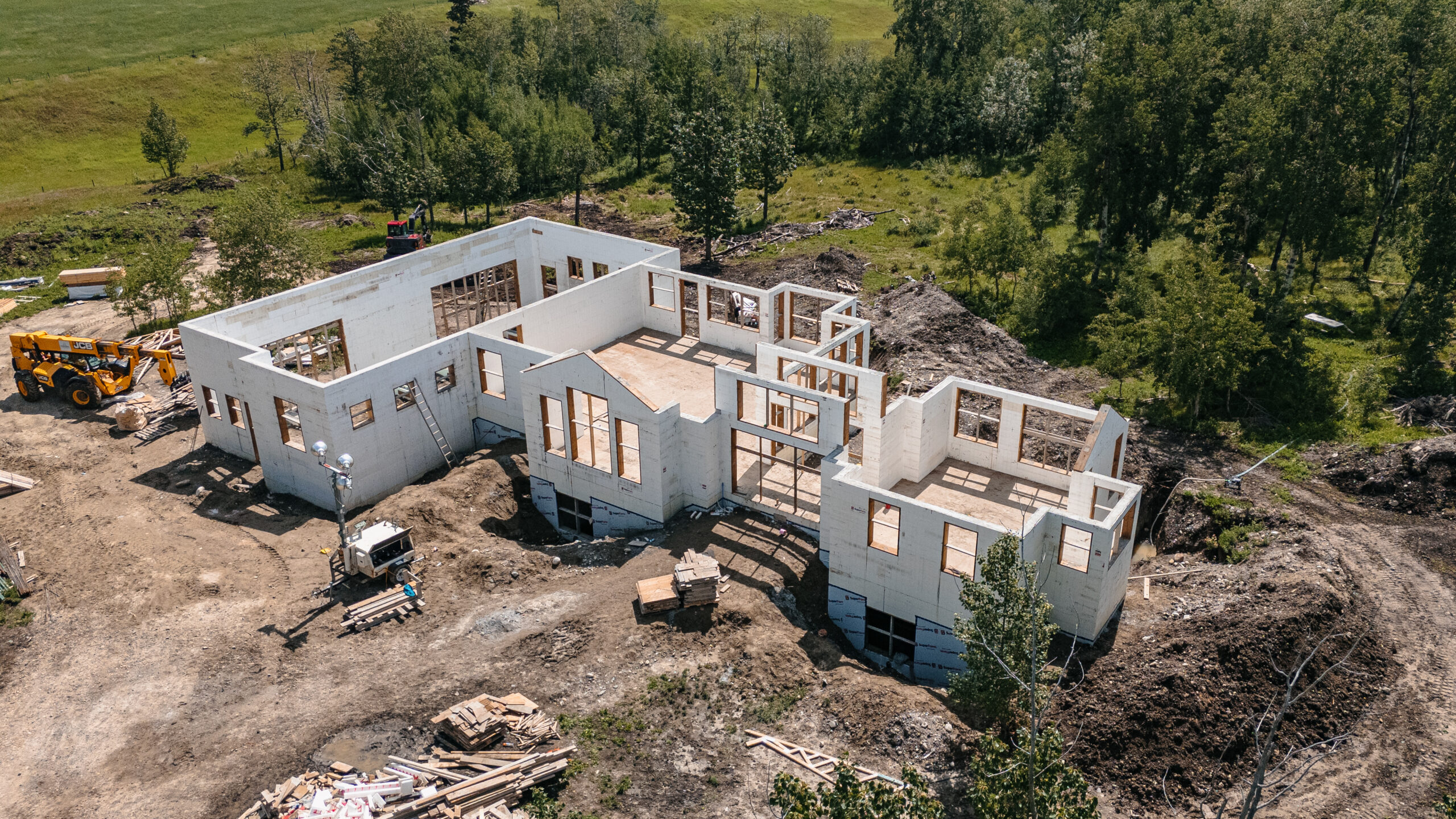
ICF systems save time compared to traditional framing or masonry, as fewer sequential steps allow for faster progress. The foam components resist moisture, while the concrete core provides durability and weather resilience. Experienced crews can raise walls quickly, while tighter fits, better insulation and fewer openings help reduce rework later.
Potential Delays and Challenges
Despite the benefits, ICF construction is not completely immune to delays.
Crews new to ICF may work more slowly or need extra supervision. Concrete logistics — including scheduling pours, pump timing and temperature control — influence the timeline, and inspections, approvals or complex designs can present additional considerations.
Plumbing and electrical should be carefully planned early on, as modifications after the pour are more challenging. Bottlenecks can also arise during interior finishes, cabinetry or specialty work, so proactive scheduling and coordination are essential.
Tips for Faster ICF Construction
To accelerate construction while maintaining quality, consider efficient planning, hiring skilled labor and using high-quality ICF systems.
Planning and Prepping Materials
Order long-lead materials like windows, doors, steel and mechanical equipment early to keep the project moving. Pre-cut and label blocks off-site, then mock up critical junctions to reduce waste and save time. Finalize trade coordination, conduits, sleeves and embedments before stacking walls.
Skilled Labor and Training
An experienced ICF team works faster and makes fewer mistakes. If your crew is new, training from the manufacturer or supplier can prevent costly errors. Manage crew size and sequence tasks to keep workflows clear, especially on pour days.
Using Efficient ICF Systems
A high-quality ICF system makes building easier. Look for features like built-in conduits or cavity bridging to cut field labor. Modular, stackable and lightweight blocks speed up assembly and reduce the need for cranes.
Additionally, choose a manufacturer that offers strong support and on-site help to quickly solve any issues.
SuperForm ICFs: Where Speed Meets Strength
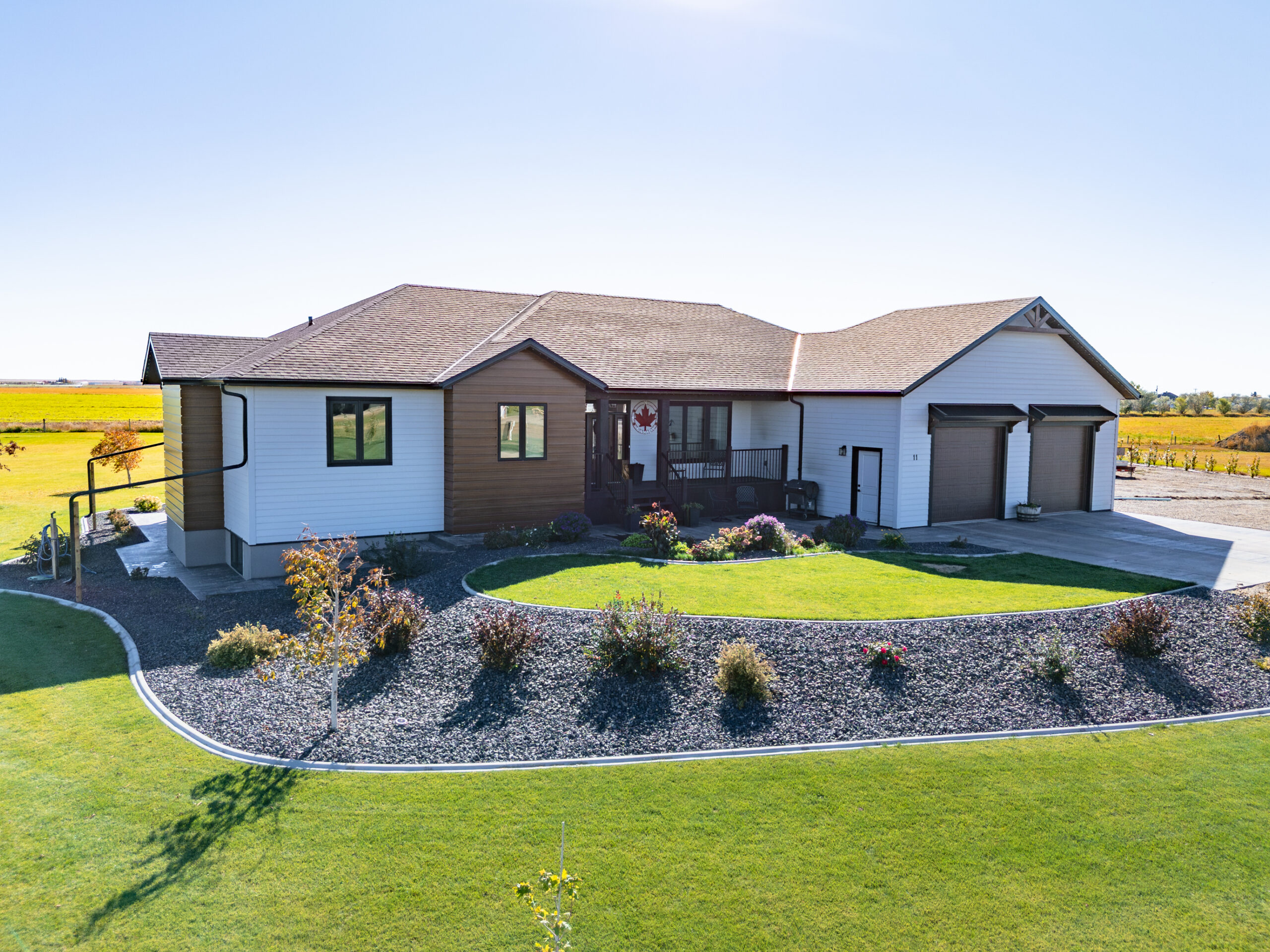
With efficient planning, top-notch materials and the right team, building with ICF isn’t just faster — it’s smarter.
Here at SuperForm, our easy-to-install wall system incorporates six construction steps into one. This saves you valuable time and effort on the job site, allowing you to streamline projects while maintaining strength, resilience and energy efficiency. Ready to build durable homes with ease? Check out our innovative ICF solutions that speed up construction and give you confidence every step of the way.