


Net zero energy homes have moved from niche innovation to mainstream expectation. With rising energy costs, stricter building codes and a growing demand for sustainable construction, builders are being forced to rethink how homes are built from the ground up.
The building envelope sits at the center of this shift. Performance gains made here can dramatically reduce overall energy demand — and few systems are better positioned to deliver those gains than insulated concrete forms, or ICFs.
By combining continuous insulation, structural integrity and thermal mass into a single system, ICF construction achieves a level of energy efficiency that traditional framing methods simply can’t match.
The result is a tighter, more controlled indoor environment with reduced heat loss and lower HVAC loads.
What Are Net Zero Energy Homes?
Definition and Importance
According to the U.S. Department of Energy, net zero energy homes produce as much energy as they consume over the course of a year.
This is achieved through a combination of on-site renewable energy systems, such as solar panels, and high-performance construction with energy-efficient materials.
Net zero homes directly reduce greenhouse gas emissions while pushing the industry toward a higher standard of sustainable construction. For professionals, net zero is becoming less of a premium offering and more of a competitive baseline.
In regions that have adopted stricter energy codes, the pressure to build net zero is only growing.
Role of Insulation and Building Envelope
The building envelope is a home’s primary defense against energy loss. If a home has poor insulation, air leakage or thermal bridging, even the most advanced HVAC system can’t keep up.
A high-performance envelope requires four things:
- Continuous insulation
- Minimal air infiltration
- Reduced thermal bridging
- Thermal mass to maintain consistent indoor temperatures
This is where ICF construction stands out.
How ICF Supports Net Zero Energy Goals
Superior Thermal Insulation
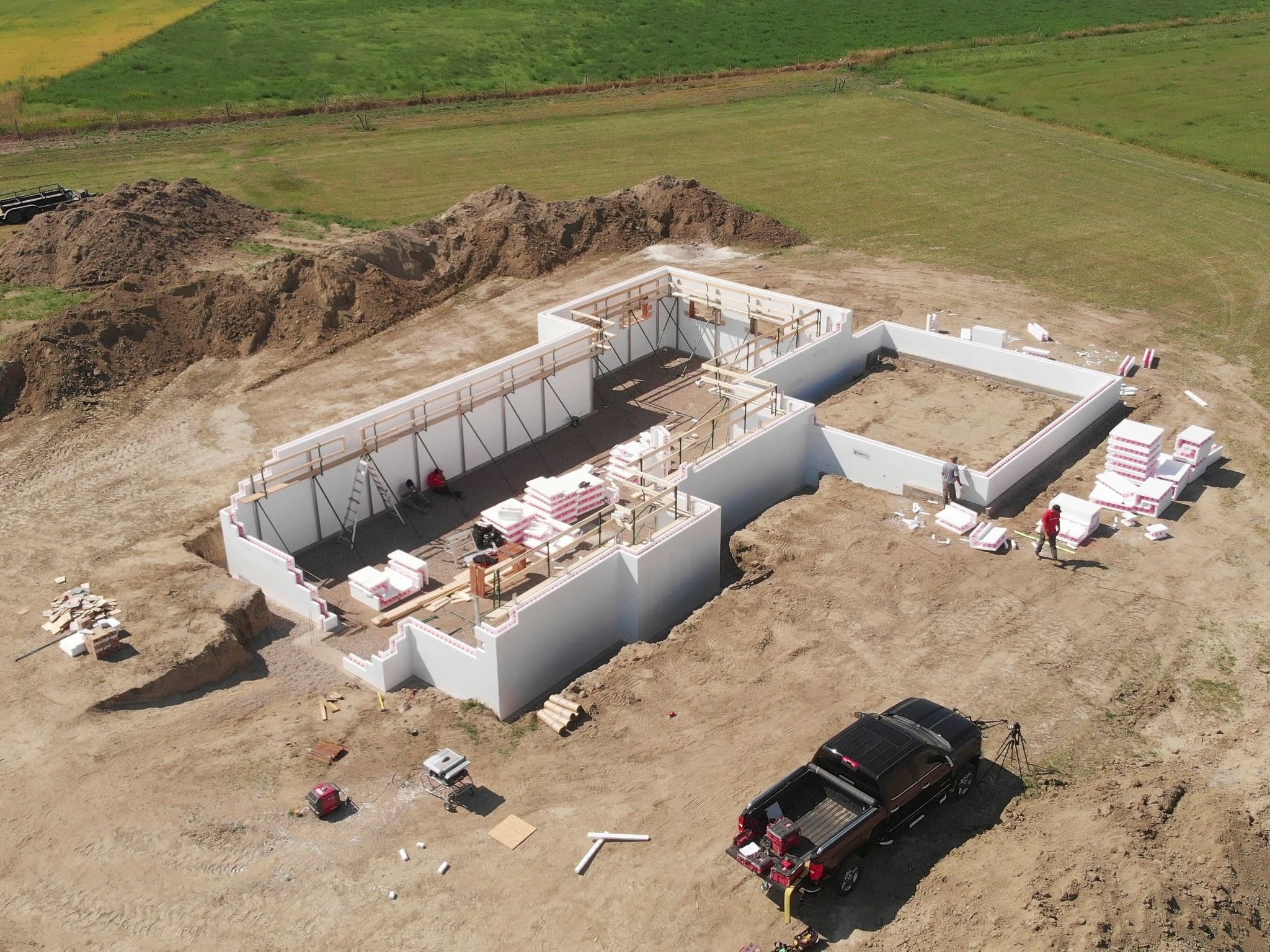
ICF blocks consist of rigid foam insulation layers on each side of a solid concrete core, creating continuous insulation with no gaps or compression.
Unlike wood or bare concrete, ICFs eliminate thermal bridging, one of the biggest energy loss culprits in traditional construction. The result is a higher, more consistent R-value and more reliable thermal performance.
SuperForm ICFs deliver 58% better R-value performance than conventional wall systems, resulting in energy savings of up to 60% per year. And unlike batt insulation that degrades over time, ICFs maintain their insulating properties for the lifetime of the structure.
Airtight Construction Benefits
One of the biggest contributors to energy loss in residential construction is air leakage. Even small gaps in the building envelope can significantly increase heating and cooling loads — and energy costs.
The average conventionally built home has enough gaps in its envelope to equal the size of a basketball. Research shows that reducing air leakage can lower energy consumption by up to 30% in some climates.
ICF systems naturally create a tighter building envelope by:
- Eliminating the joints found in stick-built walls
- Reducing penetration points where air can enter or escape
- Providing a continuous barrier against air infiltration
The result is a significantly more airtight structure than conventional framing, and a measurable reduction in the heating and cooling loads that drive energy costs up.
Reduced Energy Consumption
By combining insulation, airtightness and thermal mass, ICF construction significantly reduces the overall energy demand of a home.
The concrete core acts as a thermal battery, absorbing and slowly releasing heat to keep indoor temperatures stable without overworking mechanical systems.
For builders aiming for net-zero performance, this means less reliance on HVAC systems and smaller mechanical equipment.
The payoff is twofold: lower upfront costs and significant long-term savings, with homeowners reducing their monthly energy bills by hundreds of dollars.
Designing Net Zero Energy Homes with ICF
Planning and Orientation
Achieving net zero starts long before construction begins. Site planning and building orientation directly impact a project’s energy efficiency and should be considered early in the design process.
Key factors to consider include:
- Designing rooflines for solar panel efficiency
- Optimizing window placement for daylighting and heat control
- Orienting the home south to capture passive solar gain for natural heating
ICF construction offers the design flexibility to support these strategies while delivering the consistent thermal performance needed to hit net zero energy targets.
Integrating Renewable Energy Systems
Once energy demand is minimized, renewable energy systems can offset the remaining load. Solar photovoltaic (PV) systems, which convert sunlight directly into electricity, are the most common solution for residential net zero homes.
Because ICF construction reduces baseline energy use, builders can often:
- Install smaller solar arrays
- Lower upfront renewable system costs
- Improve overall return on investment
This balance between reduced energy demand and efficient generation is what makes net zero construction financially viable — and ICF is a key part of that equation.
Ventilation and HVAC Considerations
A tighter building envelope requires a more deliberate approach to ventilation. Mechanical systems such as heat recovery ventilators (HRVs) or energy recovery ventilators (ERVs) are essential for maintaining indoor air quality in a well-sealed home.
When designing HVAC systems for ICF homes, builders should:
- Downsize equipment to match the home’s lower energy loads
- Use zoning strategies that take advantage of ICF’s consistent room-to-room temperature control
- Plan air distribution around the reduced ductwork needs that come with a tighter envelope
Benefits Beyond Energy Savings
Comfort and Indoor Air Quality
ICF homes deliver more consistent indoor temperatures, fewer drafts, reduced cold spots and better humidity control than conventionally built homes.
The airtight envelope also limits the infiltration of dust, outdoor pollutants and allergens, directly improving indoor air quality.
Durability and Resilience
ICF structures are built to withstand extreme conditions: high winds, temperature fluctuations and natural disasters. With a reinforced concrete core, ICFs provide:
- Long-term structural integrity, including resistance to winds up to 250 mph and flying debris
- Resistance to mold and rot
- Reduced maintenance requirements over the life of the structure
For builders working in high-risk climates and disaster-prone regions, durability is just as important as efficiency.
SuperForm ICFs are 30% stronger than conventional concrete walls as a direct result of the solid concrete and rebar construction.
Start Building Net Zero With SuperForm
Net zero energy homes deliver long-term value through high performance, superior durability and lasting comfort.
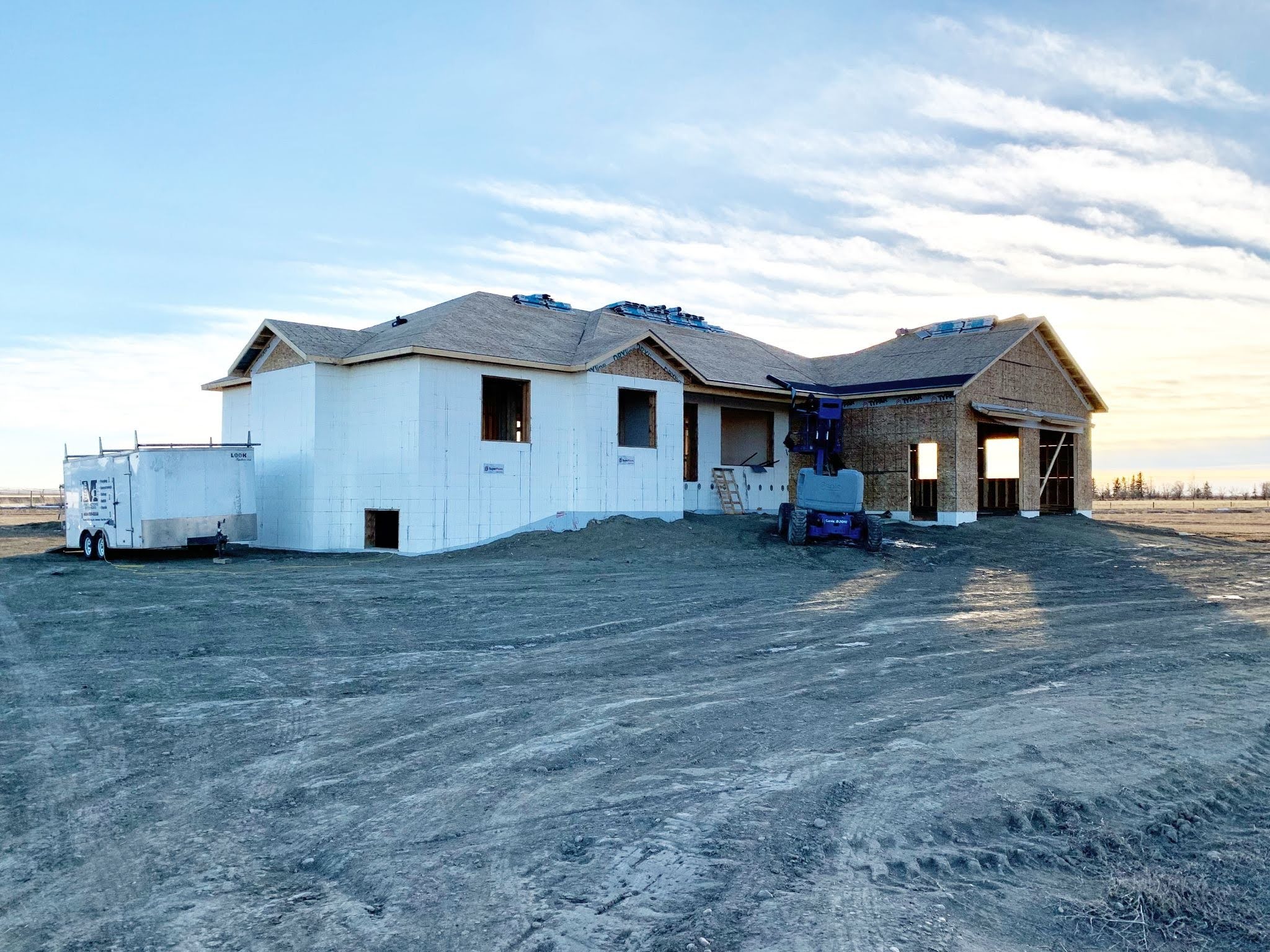
ICF construction simplifies the path to getting there — combining continuous insulation, airtightness and thermal mass into a single system that meets today’s market demands and tomorrow’s code requirements.
Net zero isn’t the future — it’s now the standard. Explore SuperForm ICF and find design inspiration for your next build. The most energy-efficient wall system available is ready when you are.